
Purpose, Execution, Judgement: How SMS Environmental Is Adopting AI Responsibly
In water hygiene, an inaccurate record or a missed reading isn't an admin slip. It can leave people exposed to Legionella and leave duty holders exposed in law. So when we began exploring artificial intelligence, our question was never just "what can AI do?" It was "how do we use it without compromising the accuracy and judgement our clients rely on?"
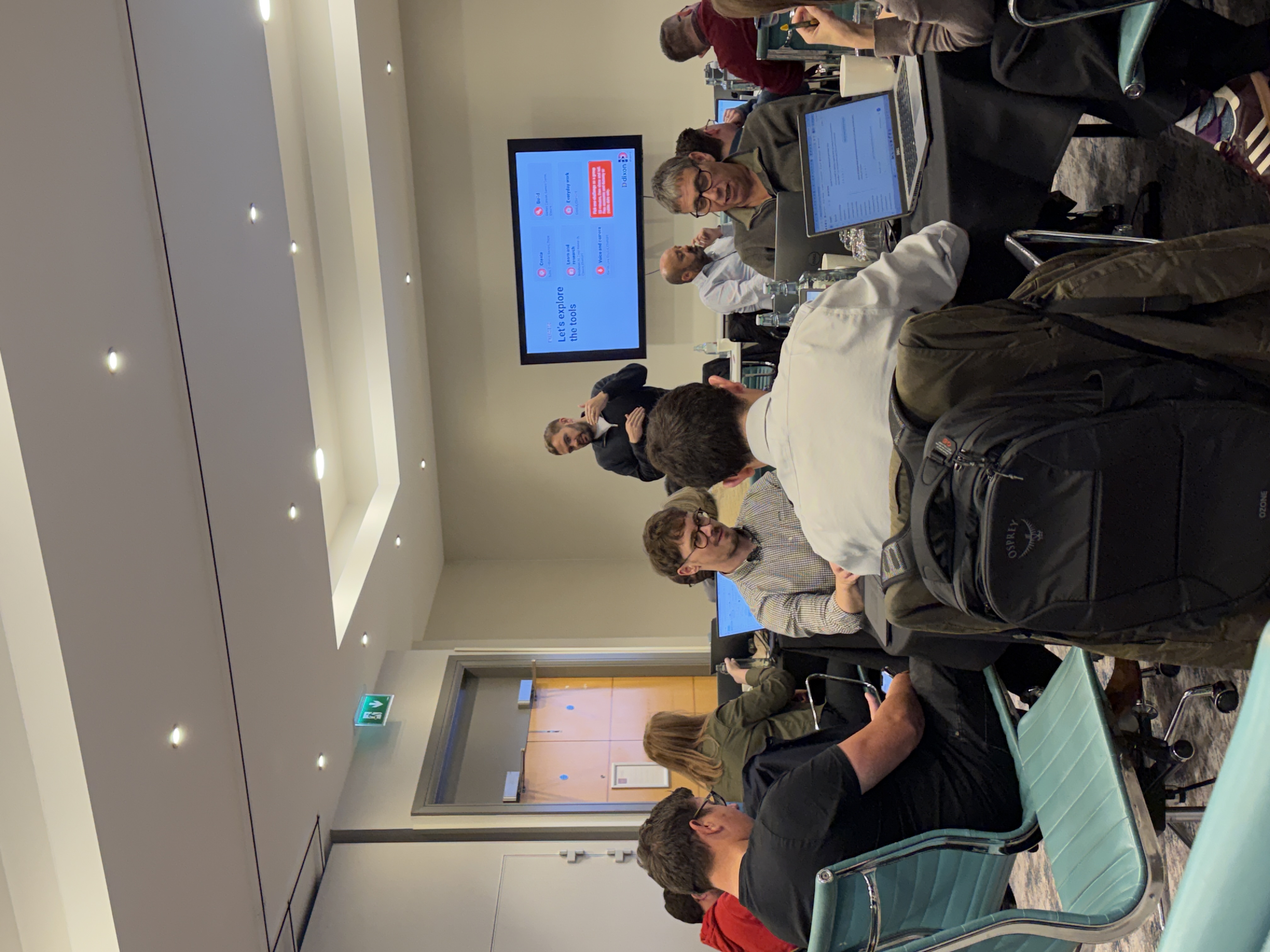
On 20 October 2026, colleagues from across the business spent the day with Dixon AI at our first AI Build Day. Here's what we learned, and what it means for the people we work with.

The principle we're working to
The most useful idea of the day was a simple framework for who does what:
- Purpose: Human. We decide what we're trying to achieve.
- Execution: AI and Human. AI can help carry out the work.
- Judgement: Human. People review, challenge and sign off the result.
One point stayed with us: AI should depend on us for quality work, not the other way round. It needs clear instructions, the right context and someone qualified to check what it produces. That matters in a business built on compliance, where professional judgement is the service.
For our clients, the commitment is straightforward. Anything AI helps us produce is checked by qualified people before it reaches you.
Being honest about the concerns
We didn't skip the difficult questions. Three came up again and again.
- Environmental impact. Data centres use significant amounts of energy and water. As a water treatment company, we notice that, and we want to use AI where it adds real value rather than by default.
- Boundaries. Confidential client and site information must stay protected, and some decisions will always need human expertise.
- Dependency. The goal is to strengthen our skills, not to replace critical thinking.
These conversations are shaping clear guidelines and oversight as our AI programme develops.
Start with the problem, not the tool
Dixon AI set out what an organisation needs to make AI work: people willing to learn and experiment, a clear business purpose, AI literacy across the team, suitable tools, and accurate, well-organised, protected data.

The lesson was that handing people software isn't enough. We're starting with the everyday challenges our teams face, and only then asking whether AI could genuinely help.
Two techniques anyone can use tomorrow
Much of the day focused on how to communicate with AI. Two techniques stood out, and they work for any organisation.
Let the AI ask the questions. Instead of jumping straight to a request, ask the AI to question you first. For example: "I need to create a training presentation for our engineers. Before creating anything, ask me the questions you need to understand the audience, objectives and content." It's a quick way to sharpen a brief you haven't fully worked out.
Use the BRTF framework. Give every prompt four parts:
- Background: the context it needs.
- Role: the expertise it should adopt.
- Task: exactly what you want.
- Format: how the result should be presented.
From finding answers to building tools
We also explored what AI can do beyond writing emails and summaries.
- Finding information. AI can search approved internal documents, such as company policies and procedures, and explain them in plain language. Answers should always trace back to the original source.
- Interactive training. AI can help build simulations where engineers practise scenarios in a controlled setting. Any technical or compliance content would be reviewed and approved by our subject matter experts first.
- Multi-step support. AI agents can gather information, check it against set criteria and prepare a report for a person to approve. Over time, this could reduce repetitive admin, always with the right security and human oversight.
What this means for our clients and our people
For clients, our aim is to spend less time on repetitive administration and more on the work that keeps your water systems safe and compliant. Any change we make will keep the same standards of accuracy and accountability you expect from us.
For our people, the Build Day is the start of an ongoing programme, with regular drop-in sessions and masterclasses to build skills and confidence. It's part of how we invest in our team, alongside our technical training and qualifications.
Our takeaway
AI can help us work more effectively, but its value depends on the knowledge, experience and judgement of the people using it. Purpose: human. Execution: AI and human. Judgement: human.
Want to talk about how we keep your water systems safe and compliant? Get in touch with our team. Or, if you'd like to join a team that's investing in its people, see our current vacancies.